


Argan shampoo is increasingly common in drugstores and organic shops. This is completely logical, as argan oil is highly valued for its nourishing properties for both hair and scalp. However, it is important to understand that argan oil itself is not a cleanser—it functions as a conditioning additive. You can use it as a booster in a mild shampoo, as a conditioner on the lengths, or to make your own simple argan shampoo. Many commercial argan shampoos contain only a tiny percentage of actual argan oil, or include synthetic additives that are less compatible with a minimalist routine. By choosing pure argan oil or blending it yourself, you keep complete control over the quality and dosage.
- Why argan oil is highly beneficial for your hair
- The benefits of argan oil
- How to integrate argan oil into your routine
- How to make your own argan shampoo
- Argan oil as a natural conditioner
- Summary
- Frequently asked questions
Why argan oil is highly beneficial for your hair
Argan oil has become a true classic in hair care. Cold-pressed from the nuts of the *Argania spinosa* tree native to Morocco, it has been used for generations in traditional beauty rituals. Argan oil helps soften dry or dull hair, leaving the hair fibers feeling smoother and looking healthier.
To read more about incorporating argan oil into your hair care, explore our article on argan oil for hair: benefits, uses, and tips per hair type.
The benefits of argan oil
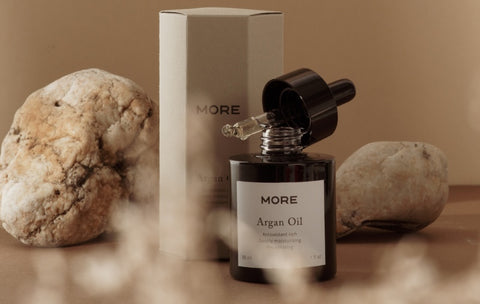
Argan oil naturally contains a high concentration of vitamin E and a balanced fatty acid profile. This combination is highly effective at nourishing dry hair and adding a soft shine. Many people also use argan oil as a protective step during styling, as it helps soften the hair and tame flyaways.
Not just for skincare
While argan oil is widely used in facial skincare, it is equally beneficial within a hair and scalp routine. It is ideal for dry ends, frizzy hair, or strands stressed by heat styling. To understand the baseline of scalp health, read our guide on hair and scalp health: causes, biology, and gentle care.
How to integrate argan oil into your routine
You can utilize argan oil in your routine in two main ways:
- As a nourishing booster in a mild shampoo, adding a conditioning step to your wash.
- As a natural conditioner or leave-in treatment on the mid-lengths and ends.
Dosage is critical. Using too much oil can easily weigh down your curls or strands, especially if you have fine hair or are prone to product build-up. We recommend starting with a minimal amount and adjusting as needed.
If you have curly hair and are concerned about oil weighing down your curls, explore our guide on natural oils for curly hair without weighing it down.
How to make your own argan shampoo
Creating your own argan shampoo is a simple way to maintain complete control over the ingredients and dosage. You start with a gentle, sulfate-free soap base and add pure argan oil.
Ingredients
- A mild liquid soap base, such as pure liquid Castile soap
- 2 tablespoons of organic argan oil
- Distilled water
- Optional: A few drops of your favorite essential oil for scent, provided your scalp tolerates it well
Directions
Combine the liquid soap base, argan oil, and water in a clean bottle and shake gently until thoroughly blended. Because oil and water naturally separate over time, always give the bottle a quick shake before each use.
How to use
Apply a small amount to wet hair, gently massage it into your scalp, and rinse thoroughly with lukewarm water. If your hair weighs down easily, use a smaller amount and focus the application strictly on your roots.
Tips for best results
- Thoroughly wet your hair before applying the shampoo.
- Massage your scalp gently using your fingertips, never your fingernails.
- Allow the shampoo to sit for a minute before rinsing.
- Rinse exceptionally thoroughly to prevent product build-up.
- Avoid washing daily; adjust your washing frequency to your scalp type and daily routine.
Argan oil as a natural conditioner
Argan oil can also function beautifully as a natural conditioner. This application is ideal for dry mid-lengths and ends. If you are prone to oily roots, avoid applying the oil directly to your scalp.
Step 1 — Wash your hair
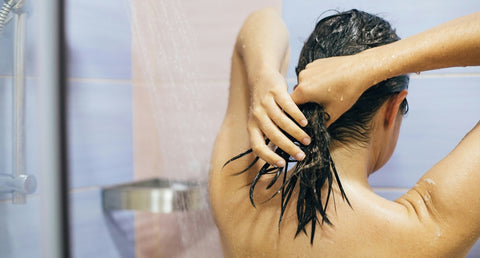
Wash your hair with a gentle shampoo and softly squeeze out any excess water.
Step 2 — Apply the argan oil
Dispense a few drops of argan oil into your palms, rub them together to warm the oil, and distribute it evenly through the mid-lengths and ends. Always start with a minimal amount; you can easily add more if needed.
Step 3 — Let it sit
Allow the oil to penetrate for a few minutes. For a deeper, more intensive conditioning treatment, you can leave it on longer depending on your hair type.
Step 4 — Rinse thoroughly
Rinse thoroughly with lukewarm water until your hair feels clean, soft, and light.
Why users love this approach
- Dry hair ends feel noticeably softer and more supple.
- It imparts a healthy, natural shine to the hair.
- It makes detangling and combing significantly easier.
- It provides a complete, nourishing step without requiring extra products.
6. Summary
Argan shampoo is highly effective when you understand that argan oil serves as a conditioning additive, not a cleanser. By pairing a gentle soap base with mindful dosing, you can easily build a routine that supports natural shine and leaves your hair feeling soft, without weighing it down.
Looking to expand your gentle hair care routine? Explore our hair oil collection and our argan oil collection.
Frequently asked questions
Is argan oil shampoo good for your hair?
Argan oil is traditionally valued as a nourishing hair treatment that helps soften the hair shaft and promote a natural shine. An argan-infused shampoo combines daily cleansing with this conditioning benefit. When choosing a commercial formula, pay close attention to the actual percentage of argan oil and the other ingredients: a short, clean ingredient list free of harsh sulfates is gentler on almost all hair types. Blending it yourself using a mild liquid Castile soap base offers the highest level of control over quality and dosage.
How much argan oil should I add to a homemade shampoo?
A recommended ratio for a homemade argan shampoo is 2 tablespoons of argan oil mixed with 200–250 ml of a gentle liquid soap base, topped up with distilled water. If you have fine hair or are prone to product build-up, start with just 1 tablespoon and observe how your hair responds. Always shake the bottle briefly before each use to ensure the oil and water are well blended.
Is Moroccan oil shampoo clean and chemical-free?
This depends entirely on the other ingredients in the formula. The mere presence of argan oil tells you nothing about the rest of the product. Always check the ingredient list: avoid harsh sulfates like SLS and SLES if you are seeking a gentle cleanse, and watch out for synthetic perfumes if you have a sensitive scalp. Making your own version with certified organic argan oil and a pure Castile soap base provides complete transparency regarding what you apply to your hair.
How do you use Moroccan argan oil on your hair?
You can incorporate argan oil in two main ways: as a pre-wash treatment (apply to dry hair, leave for 30 minutes, then wash out) or as a lightweight leave-in on damp hair after washing. Start with just one or two drops, focusing strictly on the mid-lengths and ends. Avoid applying it to your scalp if you are prone to oily roots. Read more tips in our article on argan oil for hair.
Can you leave argan oil in your hair overnight while sleeping?
Yes, absolutely. Using argan oil as an overnight treatment on your hair lengths can leave your hair feeling significantly softer and more supple. Apply a small amount to your ends and cover your hair with a silk bonnet or wrap it in a towel to protect your pillowcase. Wash your hair thoroughly the next morning. Be sure not to over-apply; one or two drops for shoulder-length hair is more than enough for an overnight treatment.
Which hair types benefit most from argan oil shampoo?
Argan oil is suitable for most hair types, though the optimal dosage varies. Dry, coarse, or chemically damaged hair benefits most from its rich profile. Fine hair is much more sensitive to being weighed down: use a smaller amount and focus strictly on the ends. If you have an oily scalp, we recommend applying the oil exclusively to your hair lengths and avoiding the roots.
Argan shampoo reviews: what do users say?
Users who incorporate pure argan oil into their hair routine consistently describe achieving softer, shinier hair after regular use. The most common advice is to start with far less than you think you need—applying too much can leave your hair feeling heavy and greasy, requiring multiple washes to clear. Those with dry or damaged hair are generally the most positive about using it as a daily conditioner on their ends.


